


Sow Exotic
Tamarind Plant Tart Flavor for Florida Growers
Tamarind Plant Tart Flavor for Florida Growers
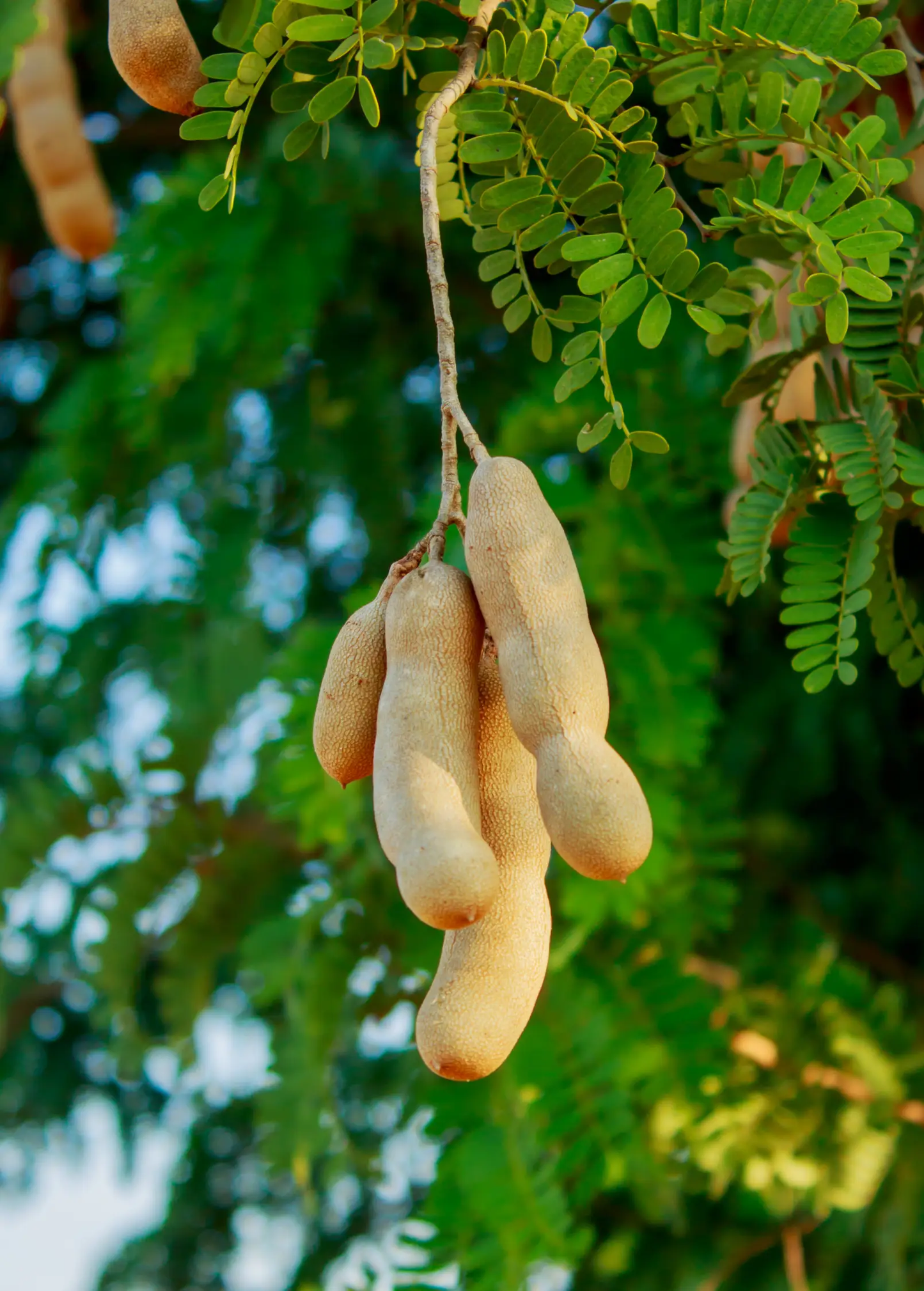
Tamarind Plant is adapted to a wide range of growing conditions and grows exceedingly well and effortlessly in Florida, especially in the south. It is an evergreen member of the legume family with feathery, pinnate leaves, red and yellow flowers, and long, bumpy seed pods that ripen from April through June. The tree is native to tropical Africa, tolerates a variety of soils—including clay—and prefers full sun in rich, well-draining soil. It is not particular about the soil’s pH.
The pulp surrounding the seeds is sweet and sour and is used in cooking, traditional medicines, and as a metal polish for copper and bronze. The seeds and leaves are edible, and the pulp can be eaten raw or used in chutneys, candies, marinades, sauces, and drinks. It is a flavoring ingredient in Worcestershire sauce. Traditional medicine uses include treating fever, malaria, and digestive issues, and bark and leaves have been used to treat wounds. For cultivation, water the new tree the first year, fertilize every 2 to 3 months while establishing, prune to keep it in shape, and remove dead wood. Tamarind trees can reach 30–100 feet tall in ideal habitat, but can be pruned and maintained as bonsai.
📋 Product summary:
- Adaptability: Evergreen tamarind is native to tropical Africa and grows well in Florida, especially in the south.
- Appearance: Feathery pinnate leaves, red and yellow flowers, and long, bumpy seed pods that ripen April–June.
- Soil and sun: Tolerates a variety of soils, including clay; prefers full sun and rich, well-draining soil; not particular about soil pH.
- Edible parts: Seeds and leaves are edible; the pulp surrounding the seeds can be eaten raw or used in chutneys, candies, marinades, sauces, and drinks.
- Uses and flavor: Pulp used in cooking and traditional medicines; used as a metal polish for copper and bronze; flavoring in Worcestershire sauce.
- Medicinal uses: Traditionally used for fever, malaria, digestive issues; bark and leaves used to treat wounds; modern medicine researching health-boosting potential.
- Cultivation care and size: Water first year, fertilize every 2–3 months while establishing, prune to shape, remove dead wood; can reach 30–100 feet tall or be maintained as bonsai.
Couldn't load pickup availability
📦 Nationwide shipping & returns
📦 Nationwide shipping & returns
NATIONWIDE SHIPPING:
Some free shipping products may be limited to the lower 48 states, as indicated by our shipping estimator tools and checkout cart. Outdoor living, home, and garden items ship nationwide. Standard shipping fees are confirmed at checkout based on your address and provider selection. Free shipping items incur zero fees at checkout. Tracking details are emailed instantly upon order fulfillment.
NATIONWIDE SHIPPING RETURNS: 30 day returns.
We accept returns of unused products that are defective or not defective. Your return must be processed within 30 days of the date of purchase. We do not process exchanges. We will provide a shipping label by email, you are responsible for bringing the return to the shipping provider.
FREIGHT PRODUCT RETURNS: no returns or exchanges.
There are no returns, exchanges or refunds for products delivered via freight. REFUNDS: The cost of the return shipping and a 6% credit card processing/restocking fee will be deducted from your refund amount. The refund balance will be distributed to you once the returned product is received and processed.
NATIONWIDE PRODUCT REFUNDS:
The cost of the return shipping and a 6% credit card processing/restocking fee will be deducted from your refund amount. The refund balance will be distributed to you once the order is canceled and the returned product is received and processed.


Let customers speak for us
Great service. Soil is what I wanted and it off loaded exactly where I asked.

Plants are doing really well with this soil. Deep and rich looking soil, plants seem really happy. Much more cost effective (and no plastic bag waste) compared to buying bags of soil mix from a store.

The quality of the craftsmanship is superb! My formula one fan absolutely loves it!!!!


Worked like an absolute charm!

These markers were perfect for ones that we were replacing. The quality is great and they seem sturdy. The gold detail stands out and is visible from a distance. Shipping was very fast.

Good solution. The little flies have disappeared. We were sure to mist/moisten the surface of each plant once a day for 4 or 5 days, after the initial application of the nematodes, to keep the little guys mobile and able to get to any remaining eggs. So, go for it!
Plant was well packed and shipment was very fast. Received a very nice fully rooted plant in the pot!

The organic garden soil is doing very well in my garden bed. The company was professional, nice, and accommodating to my needs. They provide many types of things for your landscaping at a reasonable price.
Product was delivered promptly and the quality of the product was very good, as hoped for. I was thrilled to receive the product so quickly! Thank you!

Product is great. Didn't care for having to pay am extra $17 tariff to UPS to get it delivered, but I guess that's not your doing. Thank you Mr. President.

My new babay arrived safely and only lost two little leaves so far. The first one I ordered from different shop arrived with two leaves attached that fell off within ten minutes of unboxing and 22 leaves that had came off during shipping. So glad she arrived looking as beautiful as i was hoping. Also had a surprise red arrow syngonium cutting that’s beautiful. Also customer service was amazing. Will definitely order from them again. Hoghly recommend this shop.

Great flag and it works well on our hangar ceiling. A little worried it wouldn't arrive in time for our event but it did.
